
The Importance of Community in City Housing
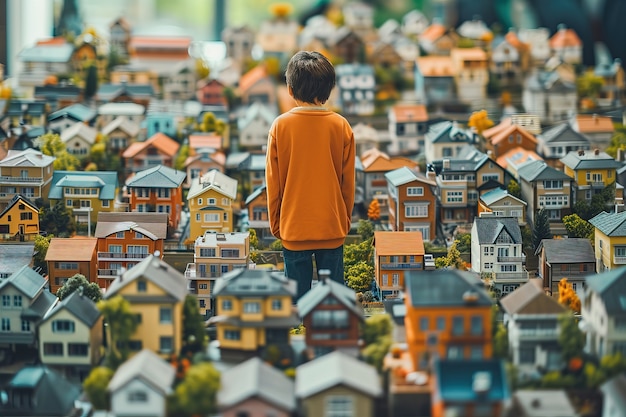
City housing is more than just a collection of buildings and streets. It’s the people, the relationships, and the shared experiences that truly define urban living. The importance of community in city housing is often underestimated, but it plays a vital role in shaping the quality of life for residents. Whether in towering apartment complexes or dense neighborhoods, the presence of a strong community can transform housing developments into vibrant and supportive environments.
Role of Community in Urban Living
The role of community in urban living is crucial for fostering a sense of belonging and security among residents. In a bustling city, where millions of people often coexist in close proximity, creating meaningful connections can be challenging. However, community-oriented housing developments can bridge this gap. By promoting shared spaces, events, and initiatives, urban housing projects can cultivate a sense of unity and collective responsibility.
Community involvement encourages neighbors to look out for each other, creating a safer and more inclusive environment. For instance, in a well-connected neighborhood, residents are more likely to know their neighbors, participate in local activities, and engage with the community on a deeper level. This sense of togetherness fosters social trust, which is critical in densely populated areas where people often feel isolated despite being surrounded by others.
Moreover, the role of community in urban living extends beyond social interaction. It also enhances the practical aspects of city housing. A supportive community can facilitate resource sharing, whether it’s through carpooling, communal gardens, or childcare cooperatives. These collaborative efforts not only improve convenience but also reduce the cost of living, making city life more sustainable and affordable for many.
Building Connections in City Housing
Building connections in city housing is the foundation for creating vibrant, cohesive urban environments. While physical infrastructure is important, it is the interpersonal relationships that breathe life into these spaces. Architects and urban planners are increasingly recognizing this, designing buildings and neighborhoods with communal areas such as parks, rooftops, and shared courtyards. These spaces are not only aesthetically pleasing but also serve as hubs for social interaction.
Activities like block parties, local farmer’s markets, and cultural festivals can help foster these connections. In modern city housing, technology also plays a significant role in building community ties. Social media groups, neighborhood apps, and online forums can help residents stay informed about local news, organize events, and offer support to one another. This digital connectivity enhances the physical community, making it easier for residents to stay engaged and build relationships.
At the same time, building connections in city housing also requires an inclusive approach. Diversity is one of the defining characteristics of urban living, and communities must embrace this to thrive. Housing developments that are designed to accommodate people from various cultural, economic, and social backgrounds can become rich, dynamic environments where residents learn from one another and grow together.
Community Impact on Urban Housing Developments
The community impact on urban housing developments cannot be overlooked. Housing projects that prioritize community engagement often enjoy higher levels of satisfaction among residents. When people feel connected and valued, they are more likely to invest in their surroundings, take better care of their homes, and participate in local initiatives. This, in turn, leads to more sustainable and well-maintained neighborhoods.
For developers, creating community-focused housing is not only beneficial for residents but also a smart investment. Properties in areas with strong community bonds often see higher demand and property values. Prospective buyers and renters are increasingly looking for neighborhoods that offer more than just a place to live—they want to be part of a thriving, engaged community. Developers who recognize and facilitate this demand are likely to see long-term success.
Additionally, the community impact on urban housing developments is essential for addressing broader societal challenges. Cities around the world face issues such as affordable housing shortages, environmental sustainability, and social inequality. By fostering strong communities, housing developments can become platforms for tackling these issues. For example, community gardens can promote sustainable food practices, while local advocacy groups can push for more equitable housing policies.
In times of crisis, such as during natural disasters or economic downturns, communities are often the first line of support. A well-connected urban neighborhood can provide immediate relief and assistance to those in need, from offering temporary shelter to organizing food drives. This resilience is a direct result of the strong social bonds cultivated within the community.
Conclusion
The importance of community in city housing goes far beyond just offering social benefits. It plays a critical role in creating safer, more supportive, and sustainable environments in urban settings. Through fostering connections, promoting inclusivity, and encouraging collaboration, the role of community in urban living becomes a cornerstone of successful city housing. For developers, planners, and residents alike, prioritizing the community aspect is essential for building lasting, thriving neighborhoods.
From practical benefits like resource sharing to emotional rewards such as a sense of belonging, building connections in city housing offers a wealth of advantages. Ultimately, the community impact on urban housing developments drives the long-term success of these projects, transforming city housing into not just a place to live, but a place to grow and thrive together.


