
The Role Of Inspections In Buying A Cheap House
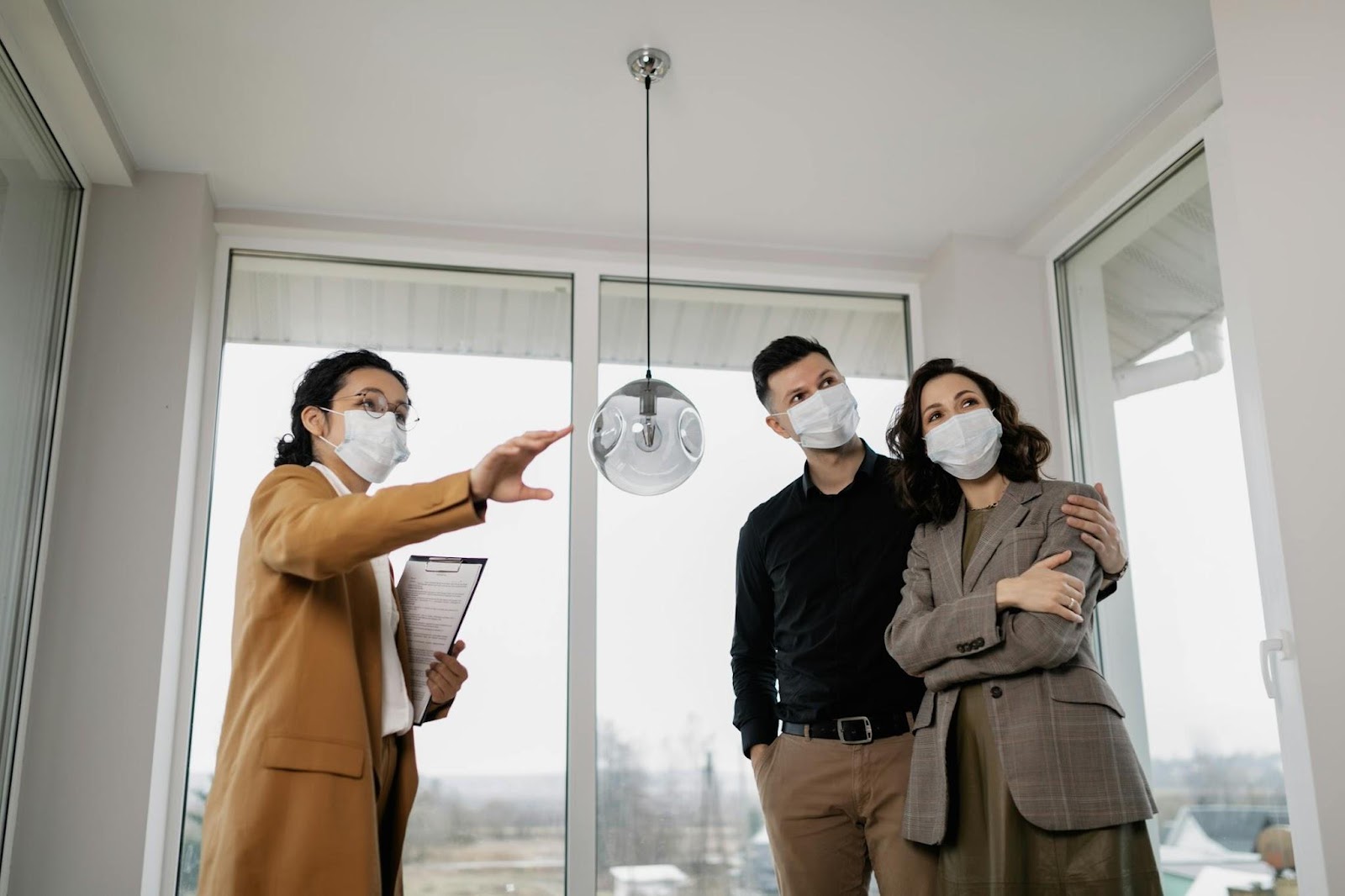
Purchasing a home, especially a cheap house, can be an exhilarating yet daunting experience. While the prospect of finding an affordable dwelling is enticing, it’s crucial to navigate the process with caution and diligence. One of the most pivotal steps in this journey is understanding the importance of inspections when buying a cheap house. Inspections serve as a safety net, ensuring that your dream home doesn’t come with hidden nightmares.
Understanding Home Inspections
A home inspection is a thorough examination of a property’s condition, typically conducted by a qualified professional. The inspector assesses various elements, including the roof, plumbing, electrical systems, and structural integrity. This evaluation is paramount for anyone considering home inspections for affordable housing, as it uncovers potential issues that could escalate into costly repairs down the line.
The primary goal of an inspection is to provide buyers with a comprehensive overview of the home’s condition. For those purchasing a low-cost home, this information is invaluable. It empowers you to make informed decisions and avoid the pitfalls that can accompany a bargain purchase.
Unveiling Hidden Issues
One of the most significant advantages of having a home inspection is its ability to unveil hidden issues. Cheap houses can sometimes come with a myriad of problems that may not be immediately apparent during a casual walkthrough.
- Structural Problems: Issues such as cracks in the foundation or sagging roofs may indicate underlying structural concerns. Addressing these problems can be immensely expensive and may affect the home’s overall safety.
- Pest Infestations: Inspectors are trained to spot signs of pest infestations, such as termites or rodents, which can compromise the integrity of the home. Early detection can save you from extensive damage and expensive remediation.
- Safety Hazards: Electrical problems, outdated wiring, or inadequate ventilation can pose significant safety risks. Identifying these issues before closing on a cheap house can protect you and your loved ones.
Negotiating Power
Armed with the findings from a home inspection, you gain significant negotiating power. This is particularly beneficial when buying a cheap house, where you may be dealing with a motivated seller eager to offload the property.
If inspections reveal problems, you can request repairs or ask for a reduction in the purchase price. For instance, if the inspector discovers a leaky roof that requires immediate attention, you can negotiate a lower price to account for the cost of repairs. This advantage underscores the role of inspections in low-cost home purchases, enabling you to safeguard your investment.
Avoiding Regrets
Regrets are an unfortunate byproduct of hasty decisions. Skipping a home inspection can lead to profound remorse, particularly when unexpected issues arise after closing. A thorough inspection acts as an insurance policy, giving you the confidence to proceed with the purchase or walk away if the findings are concerning.
Imagine investing your hard-earned money into a cheap house, only to discover major plumbing issues a few months later. The costs associated with repairs can be astronomical, not to mention the emotional toll. By prioritizing inspections, you mitigate the risk of making a regrettable decision, ensuring that your home-buying experience is a positive one.
Budgeting for Repairs
Another critical aspect to consider is budgeting. If inspections reveal necessary repairs, you can plan for these costs in advance. This foresight is particularly important when purchasing a cheap house, as many buyers have limited financial resources to address unexpected expenses.
- Establishing a Repair Fund: Once you understand the condition of the home, you can establish a dedicated fund for repairs. This proactive approach prevents financial strain down the road, allowing you to address issues as they arise without jeopardizing your budget.
- Prioritizing Repairs: Not all repairs carry the same weight. With the inspector’s insights, you can prioritize urgent issues over cosmetic upgrades, ensuring your home remains safe and functional.
Building Trust with Sellers
Another less obvious benefit of conducting inspections is the potential to build trust with sellers. When you request an inspection, it signals to the seller that you are a serious buyer. This professionalism can lead to a more straightforward negotiation process, as sellers may feel more comfortable working with buyers who are willing to do their due diligence.
Conclusion
In the realm of affordable housing, the importance of inspections when buying a cheap house cannot be overstated. Inspections reveal hidden issues, empower negotiations, prevent regrettable decisions, and assist in budgeting for necessary repairs. Understanding the role of inspections in low-cost home purchases is essential for anyone looking to invest in a property that not only meets their budgetary needs but also safeguards their long-term well-being.
As you embark on your journey to find the perfect affordable home, remember that a thorough inspection is your best ally. It paves the way for informed decision-making, ensuring that your investment remains a source of joy and security for years to come. Don’t underestimate the power of knowledge; let inspections guide you toward a successful home-buying experience.


